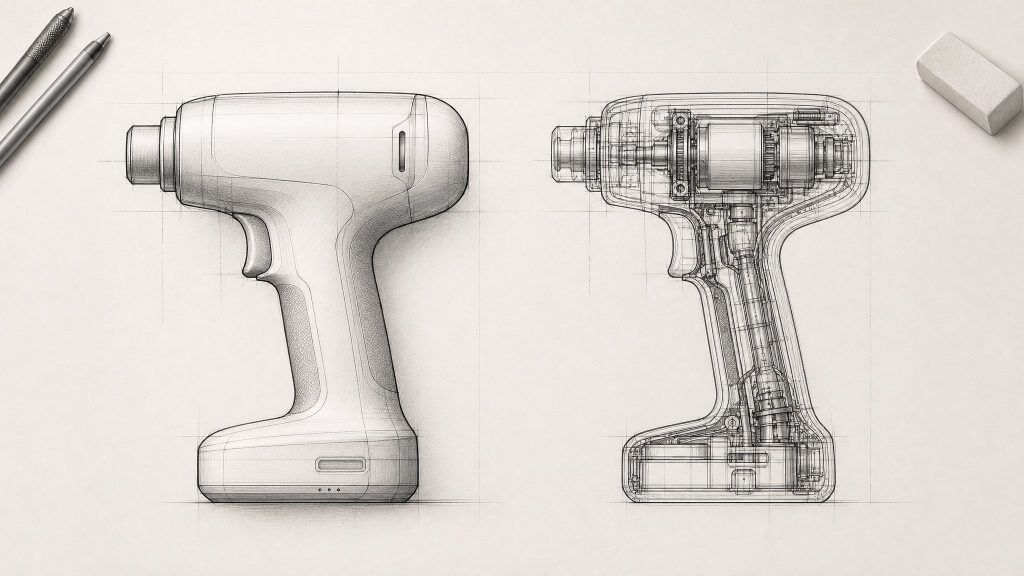
A China design patent protects how your product looks. A utility model protects how it works. Both skip substantive examination, both are fast, and many sellers file both for the same product.
What each one protects
A design patent covers the visual appearance: shape, pattern, color, or a combination. A utility model covers the technical structure: how the parts are arranged and what they do. A folding chair can have both a design patent for its look and a utility model for its folding mechanism.
Cost and timeline compared
| Design patent | Utility model | |
|---|---|---|
| Protects | Appearance | Function and structure |
| Term | 15 years from filing | 10 years from filing |
| Examination | None (formal check only) | None (formal check only) |
| Typical grant | 6 to 12 months | 6 to 12 months |
When to file both
If your product has a distinctive look, file a design patent. If it also has a functional improvement competitors could copy, add a utility model. The two cover different angles of attack, and neither is expensive relative to the cost of losing control of a product.
For marketplace sellers
Lookalike listings are an appearance problem, so the design patent is your primary weapon. Functional knockoffs are a utility model problem. If you are not sure which applies, describe your product to us and we will recommend the right mix. Our design patent page covers the filing process in detail.